Trinket File
Trinket File is written by an editorial team rather than a single named author. Nobody here is a qualified gemmologist, watchmaker or appraiser, and we do not pretend to be.
What we do is read: manufacturer and assay office documentation, material specifications, published care guidance and the practical experience of people who work with jewellery and watches every day. Then we write down what a buyer or owner can actually check for themselves, and we say plainly where our knowledge stops.
If that sounds like the right level of honesty for a buying guide, the about page explains how guides are researched, how corrections work and how the site is funded.
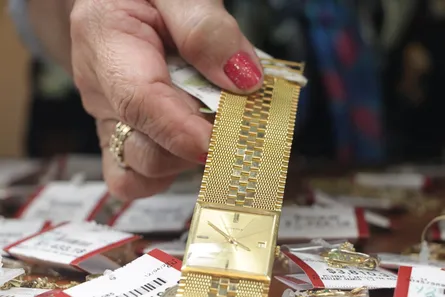
Buying Second-Hand Jewellery: What to Inspect and What to Ask
- Trinket File
- Second Hand
- 19 May, 2026
Second-hand is where a modest budget meets well-made jewellery, and it is also where a buyer has the least protection. Estate sales, pawn shops, auction houses, vintage dealers and online marketplaces
read more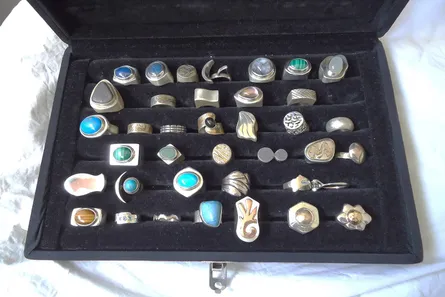
Caring for Jewellery at Home: Cleaning, Storage and Wear
- Trinket File
- Care
- 28 Jul, 2026
Very little jewellery is ruined by cleaning. A great deal is ruined by wearing it in the wrong places, storing it in a heap, and cleaning it with something more aggressive than it needed. The right ap
read more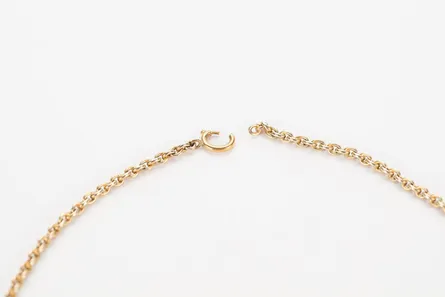
Chains, Clasps and How Fastenings Fail
- Trinket File
- Metals and Stones
- 02 Mar, 2026
A necklace that disappears is usually assumed to have been stolen or to have broken in some dramatic way. The common ending is quieter than that. A chain is found tucked inside a collar with every lin
read more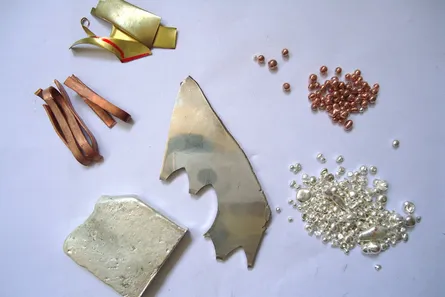
Choosing a Metal for Everyday Wear
- Trinket File
- Materials
- 24 Mar, 2026
The metal you choose for a piece you wear daily matters more than the design detail you spent an hour deciding on. Metals differ in how they scratch, how they tarnish, how they feel, how heavy they ar
read more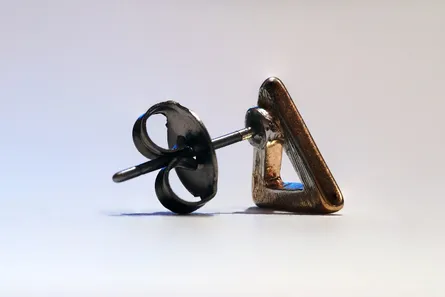
Earrings: Metals, Backs and Everyday Comfort
- Trinket File
- Buying
- 06 Apr, 2026
An earring is chosen in a mirror, in seconds, and then worn for ten hours at a time. The judgement made in the mirror concerns how the piece looks from the front. The parts that decide whether it is c
read more
Everyday Jewellery: What Survives Daily Wear
- Trinket File
- Buying
- 11 Aug, 2026
The jewellery that survives daily wear is not the most expensive jewellery. It is the jewellery with enough metal in the right places. Two pieces can carry the same hallmark and the same price, and on
read more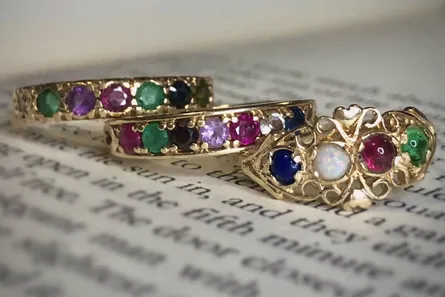
Settings Explained: Prongs, Bezels, Channels and Pave
- Trinket File
- Metals and Stones
- 03 Jun, 2026
A setting is usually chosen for how much of the stone it leaves visible. That is the wrong criterion, or at least an incomplete one. The setting is the structure that holds a brittle stone inside a me
read more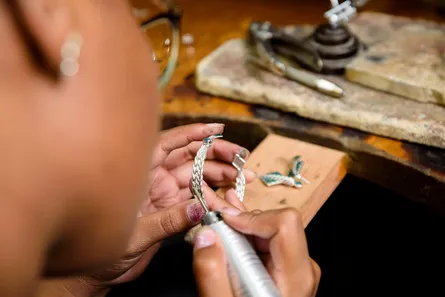
How to Check Jewellery Construction Before You Buy
- Trinket File
- Buying
- 20 Jan, 2026
Most of the attention in a jewellery purchase goes to what a piece looks like from arm's length. That is the part the maker has designed for. The part that decides whether the piece still looks right
read more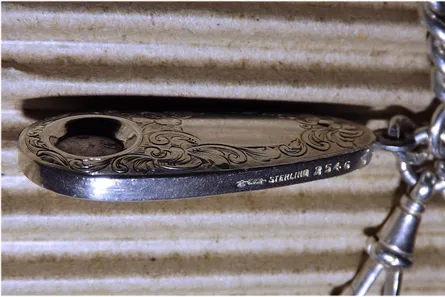
Gold, Plated, Filled or Solid: What the Marks on a Piece Mean
- Trinket File
- Metals and Stones
- 17 Feb, 2026
A stamp on a piece of jewellery is a declaration, not a guarantee. It is still the single most useful piece of information you have, and the difference between a piece that survives daily wear and one
read more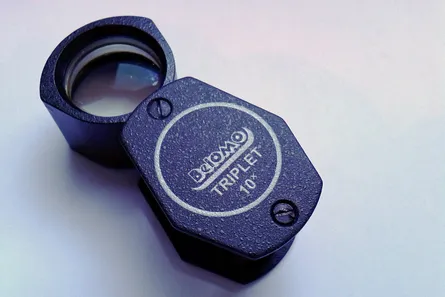
Judging a Stone: What You Can Check and What You Cannot
- Trinket File
- Metals and Stones
- 21 Apr, 2026
The gemstone trade runs on the gap between how a stone looks and what it actually is. Colourless stones can be diamond, moissanite, cubic zirconia or glass, and the difference is invisible to the nake
read more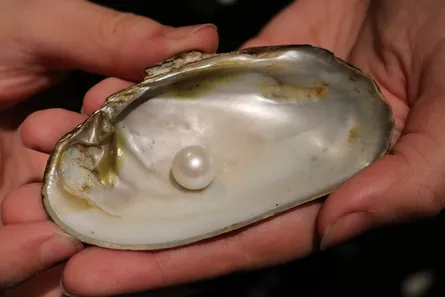
Pearls and Organic Gemstones: Judging and Care
- Trinket File
- Metals and Stones
- 05 May, 2026
Pearls and the other organic materials used in jewellery are graded with language borrowed from diamonds, which is where the confusion starts. A mineral stone is judged on colour, clarity and cut, and
read more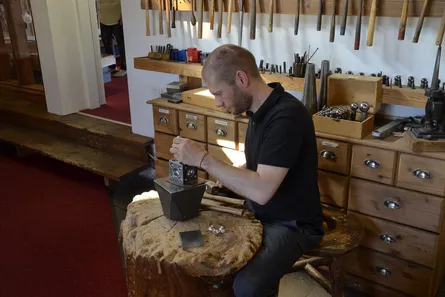
Resizing and Repairing Jewellery: What a Workshop Can Do
- Trinket File
- Repair
- 23 Jun, 2026
Most jewellery can be repaired and much of it can be resized. The useful question is not whether something is possible in principle but whether it is sensible for this piece, which depends almost enti
read more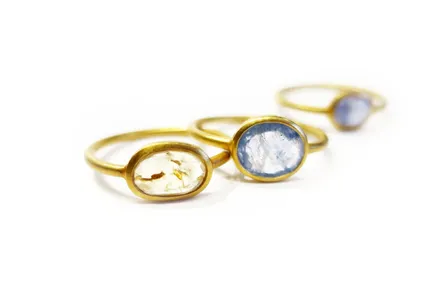
Ring Sizing and Fit: Getting It Right First Time
- Trinket File
- Buying
- 02 Feb, 2026
A ring size is treated as a fixed property of a finger, like a shoe size with a number attached. Fingers do not hold a size. They swell in heat and after exertion, thin in the cold, and change over ye
read more
Tarnish, Plating Wear and What Can Be Restored
- Trinket File
- Care
- 26 Aug, 2026
A dulled piece of jewellery is usually called tarnished and treated with a polishing cloth. Sometimes that is right. Sometimes the dullness is not a film on the metal but metal that is no longer there
read more
Watch Straps and Everyday Accessories: Materials, Fit and Care
- Trinket File
- Accessories
- 15 Sep, 2026
Most advice about watches concerns the movement, which you cannot see and will probably never touch. The strap is the part you feel all day, the part that fails first, and the one you can judge and ch
read more