Judging a Stone: What You Can Check and What You Cannot
- Trinket File
- Metals and Stones
- 21 Apr, 2026
The gemstone trade runs on the gap between how a stone looks and what it actually is. Colourless stones can be diamond, moissanite, cubic zirconia or glass, and the difference is invisible to the naked eye. Red stones can be ruby, spinel, garnet or glass. That gap is not something a buyer can close with careful looking, and any guide that implies otherwise is doing you a disservice.
What you can do is assess the setting and the condition of the stone, ask the right questions, and know which claims need a qualified answer. Here is the split.
What you can check yourself
Setting security. Check that the stone does not move under very light finger pressure, that all prongs are present and of even thickness, and that the stone sits level in its setting rather than tilting.
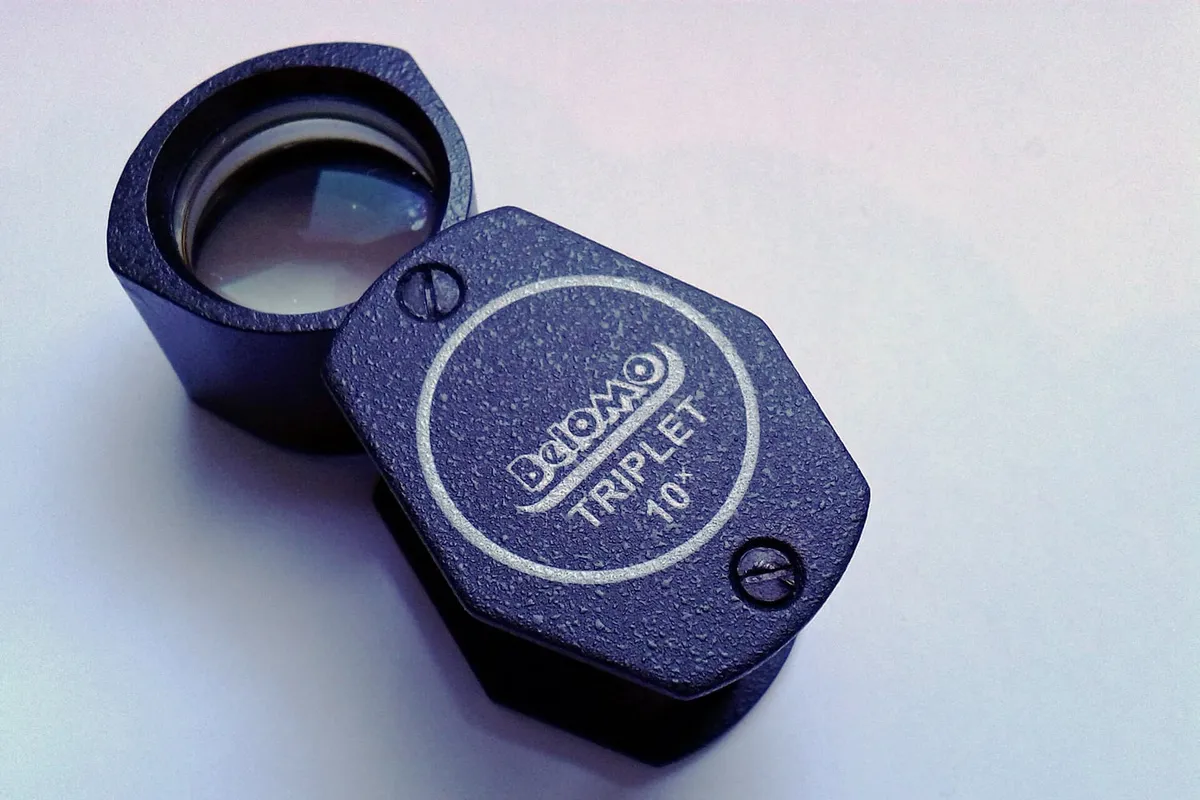
Surface condition. Under a loupe or a phone macro lens, look at the edges of the facets where they meet. On a well-kept stone they are crisp; on a stone that has been knocked around they can look rounded, dull or abraded. Look for chips along the girdle, the thin band around the widest part of the stone, which is its most exposed point.
Cleanliness. Dirt under a stone is common and makes a stone look duller than it is, and a dark patch under the setting is often just grime. That said, a stone that cannot be cleaned up may be sitting on a rough or porous backing rather than being dirty at all.
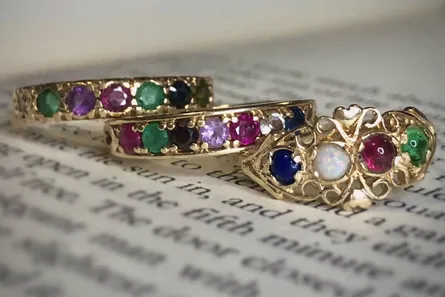
Evenness across a row. In a channel or pavé setting, all the stones should sit at a consistent height. One lower than its neighbours may be loose, and a missing bead of metal is a repair waiting to happen.
The construction of the setting. Look for gaps between the stone and the metal, glue visible at the edge of a setting, or a seam around the middle of a stone, which suggests it has been assembled from two parts rather than cut from one.
What you cannot check yourself
- Identity. Whether a stone is diamond, moissanite, cubic zirconia or glass; whether a blue stone is sapphire, tanzanite, iolite or glass. This needs testing by a trained gemmologist, not a home tester.
- Natural or laboratory-grown. Laboratory-grown stones have the same physical and optical properties as natural ones. Telling them apart requires laboratory equipment.
- Treatments and fillers. Heating, oiling, fracture filling, dyeing and irradiation are all used in the trade, some routinely and some not. Detecting them takes a gemmologist’s equipment and experience.
- Origin. Where a stone came from is a specialist question, and it is not something you can infer from colour.
This matters practically because two stones that look the same can have very different care requirements. A stone that has been oiled or fracture filled, for example, is often damaged by ultrasonic cleaning and by heat. If you do not know what you are holding, use the gentlest care method available.
Hardness is a care guide, not a durability guarantee
The Mohs scale ranks minerals by how easily one scratches another. As rough guidance for care:
- 10: diamond.
- 9: corundum — ruby and sapphire.
- 7–8: quartz family, amethyst, citrine, beryl, topaz, tourmaline.
- 6–7: garnet, tanzanite, peridot.
- 5–6: opal, turquoise, lapis lazuli, moonstone by some measures.
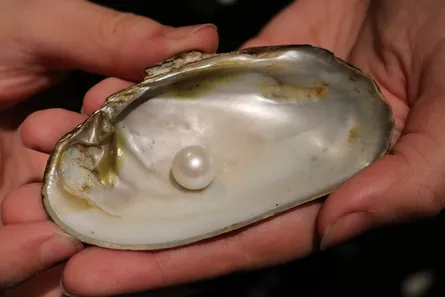
- 2.5–4.5: pearl, amber, coral, ivory-type organics.
Two warnings come with that list. Hardness is not toughness: diamond is the hardest mineral and still cleaves along planes if struck at the wrong angle, and emerald is relatively hard but brittle and frequently treated, which is why it is a poor candidate for a ring worn under rough conditions. And soft stones are not merely “delicate”: porous stones such as turquoise and lapis absorb oils and cosmetics, and opal can be affected by rapid temperature change and by drying out.
Treatments: the questions worth asking
Treatments are not automatically a scandal. Heating is standard practice for many stones and is accepted trade-wide. Others, such as fracture filling a heavily cracked stone with a glass-like resin, change how the stone must be treated and how it should be cleaned.
Ask, specifically: is the stone natural, laboratory-grown or a simulant? Has it been treated, and if so how? Is there a report describing it? A written answer is worth much more than a verbal one, and a seller who refuses to put anything in writing is telling you something useful.
Reports, and what they are for
For a stone of real consequence, you can have it examined by an independent gemmological laboratory. A laboratory report describes what the stone is and, in many cases, whether particular treatments were detected. It does not tell you what the stone is worth, and it is not a valuation document. Reports are also specific to the stone tested and to a point in time; a report on a different stone, or a photocopy, is not evidence about the piece in front of you.
Valuation is a separate job for a qualified appraiser who examines the piece in person. We do not offer valuations or investment opinions, and a site that promises either from photographs should be treated with suspicion.
Cleaning that follows from all of this
For a stone you cannot identify with confidence, the safe method is lukewarm water, a drop of mild washing-up liquid, a soft brush, and a soft lint-free cloth. That covers diamond, sapphire, ruby, quartz and most common stones, provided the setting is sound.
Then subtract the following:
- Ultrasonic cleaners are a poor idea for emerald and other oiled or fracture-filled stones, for opal, for pearls, amber and coral, for turquoise, and for any piece with glued components or a delicate old setting. Ask a jeweller before running anything unfamiliar through one.
- Steam cleaners are a workshop tool, not a home one, and the same exceptions apply.
- Ammonia-based dips and jewellery baths strip plating, and they attack porous and organic materials.
- Toothpaste, baking soda and abrasive polishes scratch metal and can abrade a stone’s facet edges.
Diamond is the most tolerant of the common stones, which is why it is cleaned so casually; that tolerance is a property of the material, not of the price tag. A cheap diamond is still scratchable by another diamond and still easily lost from a worn setting, so check the prongs regularly and have them tightened by a jeweller when they have flattened.
A short buying checklist
- Look at the setting first, and the stone second. A beautiful stone in a failing setting is a future repair bill.
- Ask for identity, treatment and report status in writing.
- Treat claims of rare origin, “investment grade” quality or future value as unproven unless an independent specialist confirms them on the actual piece.
- Match care to what you know. If nobody can tell you what the stone is, clean it gently.
- Before a significant purchase, use a gemmologist; before a significant valuation, use an appraiser. They are different jobs.