Choosing a Metal for Everyday Wear
- Trinket File
- Materials
- 24 Mar, 2026
The metal you choose for a piece you wear daily matters more than the design detail you spent an hour deciding on. Metals differ in how they scratch, how they tarnish, how they feel, how heavy they are and how easily a workshop can alter them later. This guide covers the trade-offs, in the order most people meet them.
What daily wear actually does to metal
A ring or bracelet worn every day meets hand washing, soap, hand cream, sweat, cleaning products, typing and small knocks. Three things follow.
Abrasion: fine scratches accumulate and dull a polished surface. Deformation: thin or hollow metal dents and bends, and chains stretch at their links. Surface change: tarnish on silver, plating wear on plated pieces, and the gradual loss of a rhodium finish on white gold. Salt water, chlorine and cleaning chemicals accelerate all three, which is why taking jewellery off before swimming or cleaning is not fussiness.
Gold alloys
Gold used in jewellery is almost always alloyed. Pure gold is too soft for a ring that is worn daily, so it is mixed with copper, silver, zinc, palladium or nickel to give it hardness and colour.
- 9 carat (375) is the hardest-wearing of the common golds and the most resistant to scratching. Its colour is paler than higher carats, and it may contain more base metal, which matters if you have a nickel allergy.- 14 carat (585) is a middle ground widely used in the United States.
- 18 carat (750) has a richer colour and is softer; it scratches and picks up dents more readily than 9 carat, though a well-made 18 carat ring can still be worn daily for many years.
- 22 carat (916) is traditional in some markets for bangles and chains, but it is soft enough that it deforms under knocks.
- 24 carat (999) is essentially pure gold and is not suitable for everyday rings.
White gold is not a naturally white metal. It is gold alloyed with white metals such as palladium or nickel, then usually plated with rhodium to give a bright white finish. The plating wears, and white gold rings are typically re-plated every year or two depending on wear. Some people prefer the slightly warmer unplated colour and skip the plating entirely. Rose gold gets its colour from a high copper content and tends to be a little harder than yellow gold of the same carat, and its colour is a stable property of the alloy rather than a plating.
Nickel is the metal most likely to cause a skin reaction, and it is used in some white gold alloys, in stainless steels and in plated base metals. Regulations in some regions limit nickel release from items in prolonged contact with skin, but the limits and their enforcement vary. If you have reacted to a metal before, ask what the alloy contains before you buy, and consider palladium-rich white gold, platinum, titanium or a nickel-free alloy instead.
Sterling silver
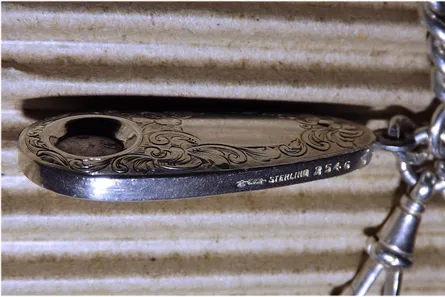
Sterling (925) is a softer metal than gold alloys and scratches more readily, which is visible on polished surfaces as a soft, hazy look rather than bright reflections. It also tarnishes: airborne sulphur compounds react with the silver and produce a dark surface film. Tarnish is not damage, and it can be removed.
Two practical points. Silver is a reasonable choice for necklaces, earrings and lightly worn rings, and a less good one for a ring that takes constant abrasive contact. And tarnish control is a storage question as much as a cleaning one: keeping silver in a sealed bag or a lined box, with an anti-tarnish strip in the compartment, slows the process considerably.
Platinum
Platinum is denser than gold, so a platinum ring feels heavier for the same dimensions. It resists abrasion differently: rather than losing metal, platinum tends to be displaced and pushed into a burr, which means a well-worn platinum piece holds its mass but develops a dull, slightly matte surface that needs periodic polishing by a workshop to bring back. Its colour is naturally white and does not need plating. Like any metal, it can be scratched; the difference is in how it wears and how it is restored.
Titanium, steel and the alternatives
Titanium is light, strong and generally well tolerated by people with metal sensitivities. The trade-off is that it is difficult for workshops to solder or size conventionally, so many titanium rings must be replaced rather than resized.
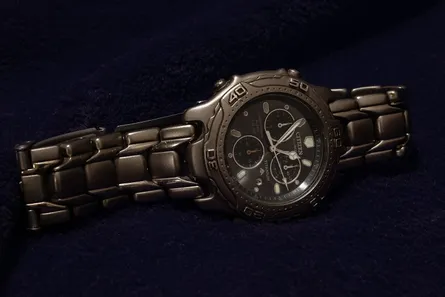
Stainless steel, particularly grades used in watch cases and jewellery, is tough, cheap and tarnish-resistant, but some grades contain nickel. Steel is hard to resize and offers a very different look and feel.
Tungsten carbide and ceramic rings are extremely scratch-resistant but brittle and effectively unsizable, and they cannot be cut off a swollen finger using the usual ring-cutting equipment, which is a genuine safety consideration.
Plated base metals — brass, copper or steel with a thin gold or silver-coloured layer — are the most common affordable option. They can look entirely convincing when new. The drawbacks are predictable: the plating wears at abrasion points, copper and brass can leave a green mark on skin in contact with sweat or water, and re-plating is often uneconomic on inexpensive pieces.
Matching the metal to the piece
Different pieces take different abuse, and it is worth thinking about where the piece sits rather than about the metal in the abstract.
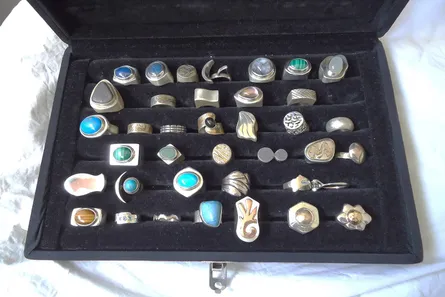
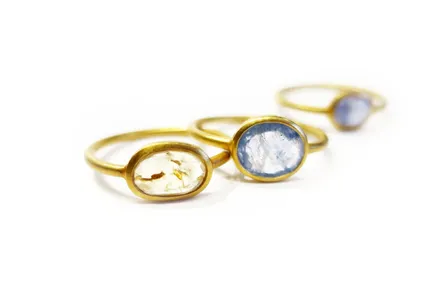
- Rings take the most. A plain band in 9 or 18 carat gold, platinum or titanium is the most forgiving. Stone-set rings add the setting to the equation: a bezel setting protects edges, prongs expose them.
- Bracelets knock against desks and doorframes. Solid construction beats hollow, and a secure clasp matters more than the metal.
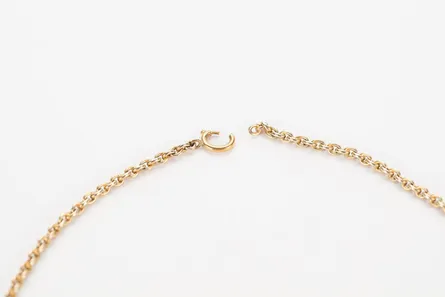
- Chains and necklaces are limited by their thinnest part. The clasp and the jump ring often fail before the chain does, so check them and consider a lobster clasp over a spring ring.
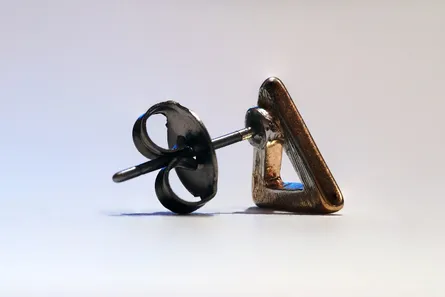
- Earrings are judged largely by reactions: posts and wires are in constant skin contact, so nickel-free choices matter more here.
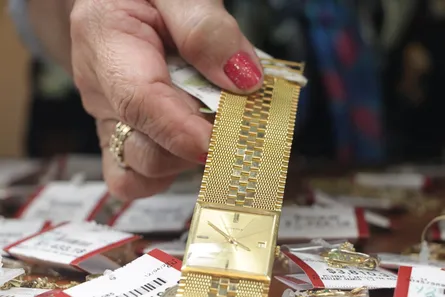
- Watch cases and straps are covered separately in our guide to straps and everyday accessories.
Care differences worth knowing before you choose
Rhodium-plated white gold needs occasional re-plating. Sterling silver needs tarnish control. Soft high-carat gold needs a lighter hand and less frequent polishing, because every polish removes a little metal forever. Plated pieces should never be polished with an abrasive cloth, since that wears the plating you are trying to preserve. Titanium and steel are the most tolerant of neglect but the hardest to alter.
When to ask a professional
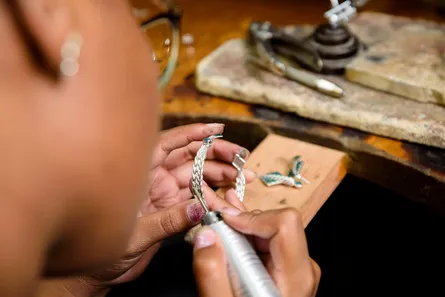
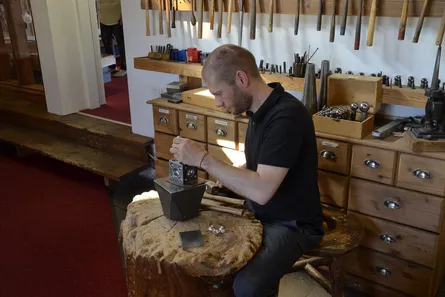
A jeweller with a workshop can tell you what an alloy is likely to be, how a piece has been constructed, and whether it can be resized or repaired before you commit. If you have had skin reactions to jewellery, the question of what is in the alloy is worth asking in writing — and for a persistent reaction, a doctor rather than a jeweller is the right person to ask.